Understanding the Comfort in Victim Mentality
Healing, Emotional Recovery, Victim Mentality
The Comfort of Being the Victim
When heartbreak, divorce, or betrayal shatters your world, it is terrifying how quickly your pain can start to feel like home. This is a raw look at why staying in the victim story can feel safer than healing, and what it really means to take your life back.
When Your Pain Becomes Your Identity
There is a brutal truth most people will not say out loud: being the victim can feel strangely comfortable. Not because the betrayal, the divorce, or the heartbreak felt good. It did not. It ripped you apart. But once the shock settles, the victim role offers something dangerous and seductive: it asks nothing from you except to stay hurt.
When you live inside the story of “Look what they did to me”, you do not have to decide what comes next. You do not have to risk trusting again, trying again, or rebuilding a life you are afraid might collapse one more time. You get to point to the wound and say, “This is why I am like this.” And for a while, that explanation feels like relief.
📌 Key Takeaway: The victim role is not comfortable because it is painless. It is comfortable because it removes the responsibility of choosing your future.
Being Hurt and Staying Hurt Are Not the Same Thing
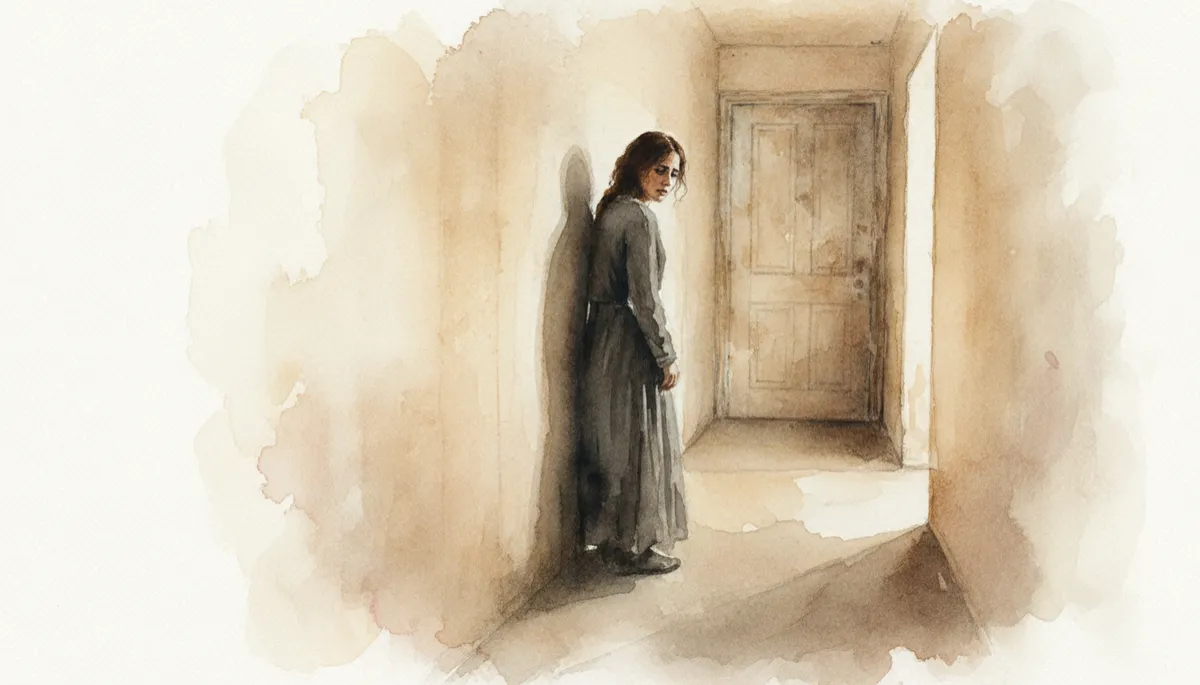
-toned photograph of a person standing in a narrow hallway, facing a closed door while looking...
Looking back is natural; building your whole life there slowly destroys you.
Let us be clear: you did not choose to be hurt. The betrayal was real. The divorce was real. The abandonment, the lies, the broken promises — none of that is your fault. You are allowed to grieve what happened to you. You are allowed to be angry, devastated, and lost for a while.
But there is a line we all eventually face, and crossing it is the difference between surviving and staying stuck. Being hurt is something that happened to you. Staying hurt is something that starts to happen because of you. One is a wound. The other becomes a decision — often an unconscious one, but a decision all the same.
This is where victim mentality creeps in. It whispers, “You can’t move on. You’re too damaged. They ruined everything.” And if you believe that long enough, your pain stops being an experience and starts becoming your identity. You are no longer someone who was hurt. You are just the hurt person.
💡 Pro Tip: Start listening for the stories you tell yourself. Do they end with what was done to you, or with what you are choosing next?
When Healing Feels Like Losing Who You Are
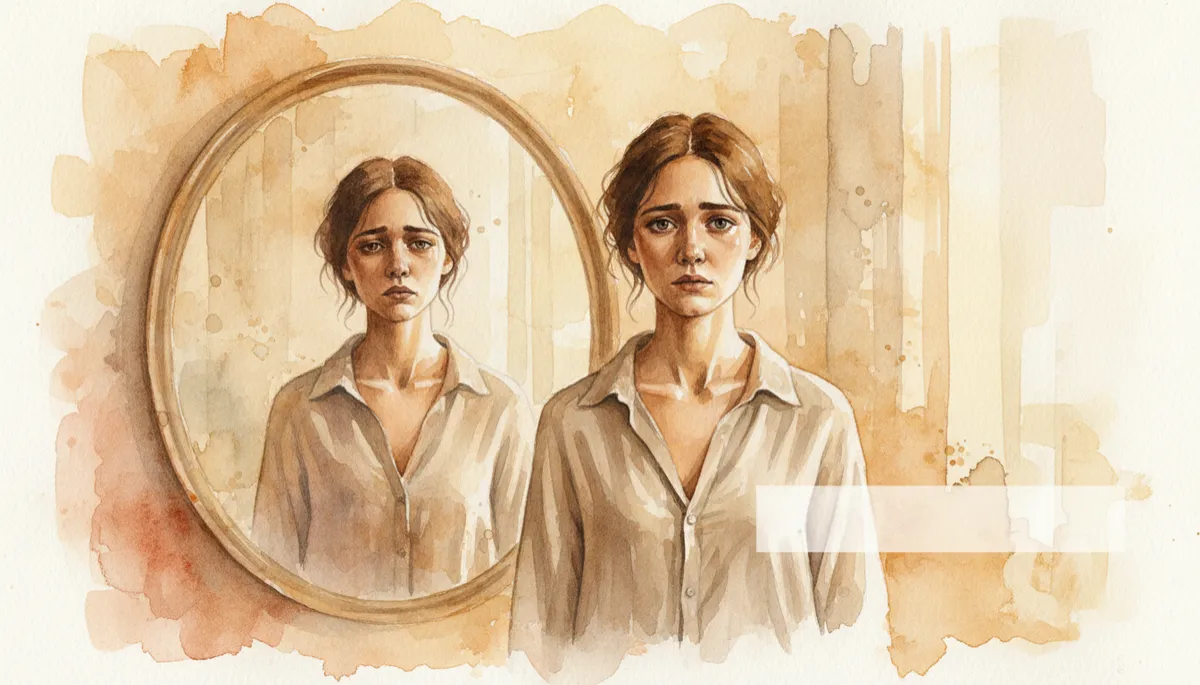
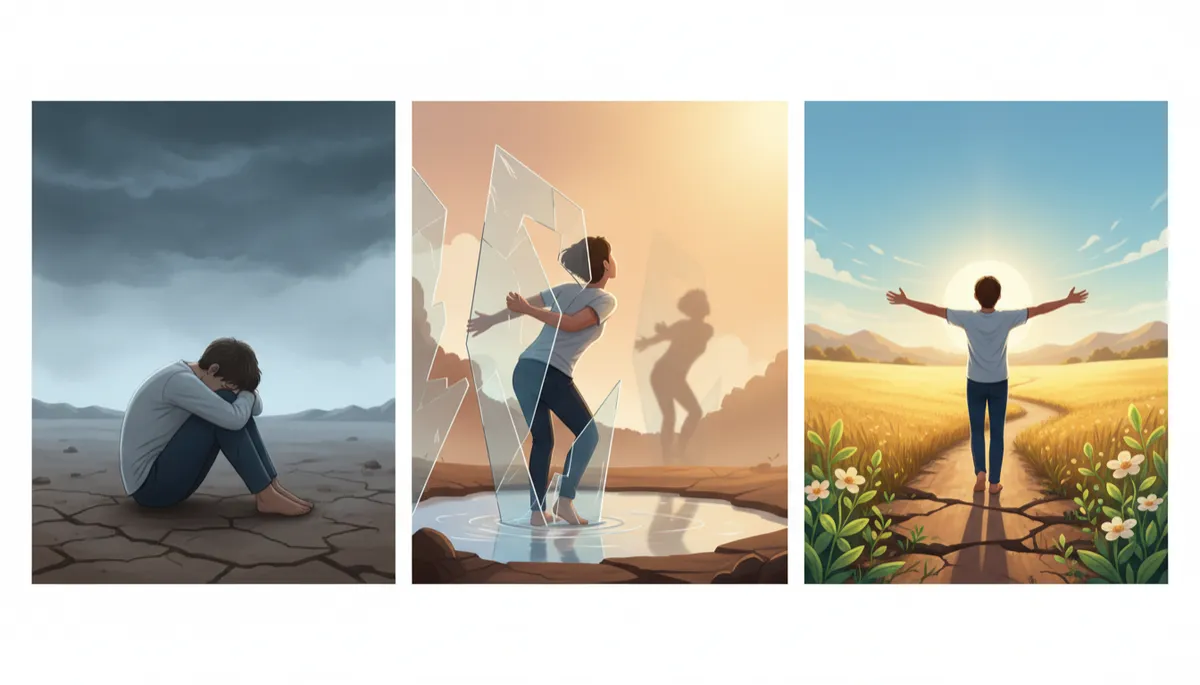
-toned photograph of a person standing in front of a mirror, one reflection looking weary and...
Healing asks a terrifying question: who are you without your favorite wound?
“Who are you when you are no longer defined by what hurt you?”
Healing is not just about feeling better. It is about becoming someone new. And that is why it can feel like a loss. If you have spent months or years surviving heartbreak, divorce, or betrayal, your entire inner world has been built around that story. Your thoughts, your routines, your conversations, even your social media posts — all orbit around what broke you.
So when healing finally shows up and says, “Let’s put this down,” a part of you panics. If I am not the betrayed one, the abandoned one, the one who was never chosen — then who am I? That fear is real. It deserves compassion, not shame. Of course you are scared to let go of the one story that has made sense of your pain.
But here is the hard truth wrapped in tenderness: if your identity is built on your wound, then staying wounded will always feel safer than getting well. Emotional healing will feel like a kind of death — the death of who you thought you were. Yet on the other side of that death is an identity that is not chained to what someone else did to you.
At Some Point, You Have to Take Your Life Back
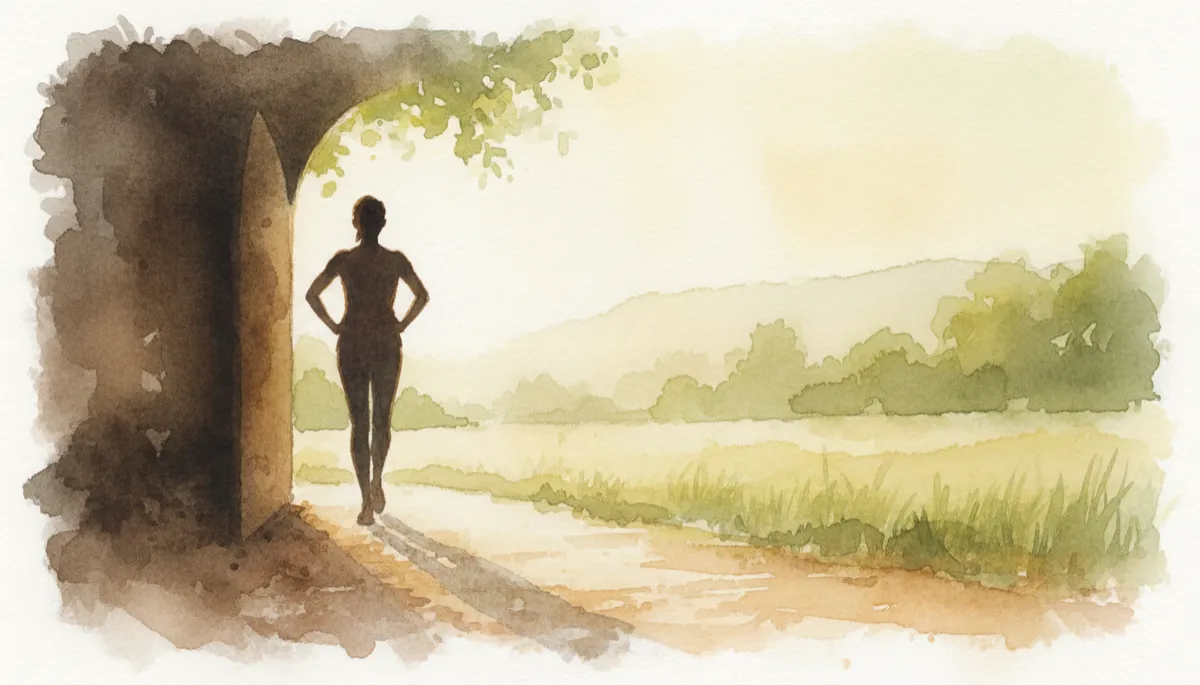
-toned photograph gradually brighter in tone, showing a person walking out of a shadowed doorway...
Taking your life back starts as a quiet decision long before it feels brave.
There comes a moment not dramatic, not cinematic, often in the middle of an ordinary day when you realize: no one is coming to rescue you from this story. The person who hurt you cannot go back and unbreak your heart. The ex-cannot rewind the divorce. The friend who betrayed you might never apologize the way you deserve.
That moment is brutal, but it is also the doorway to freedom. Because when you stop waiting for them to fix it, you finally become available to yourself. You can stop rehearsing what they did and start asking, “What do I want my life to look like now?”
Taking responsibility for your healing does not mean excusing what happened. It means refusing to let it be the final author of your story. It is saying:
I will not let their choices define my future.
I am responsible for how I carry this, even if I am not responsible for why it happened.
I deserve a life that is bigger than my heartbreak.
📌 Key Takeaway: Responsibility is not blame. It is power. It is the moment you stop reliving the ending and start writing a new chapter.
Your Future Deserves to Be Lived
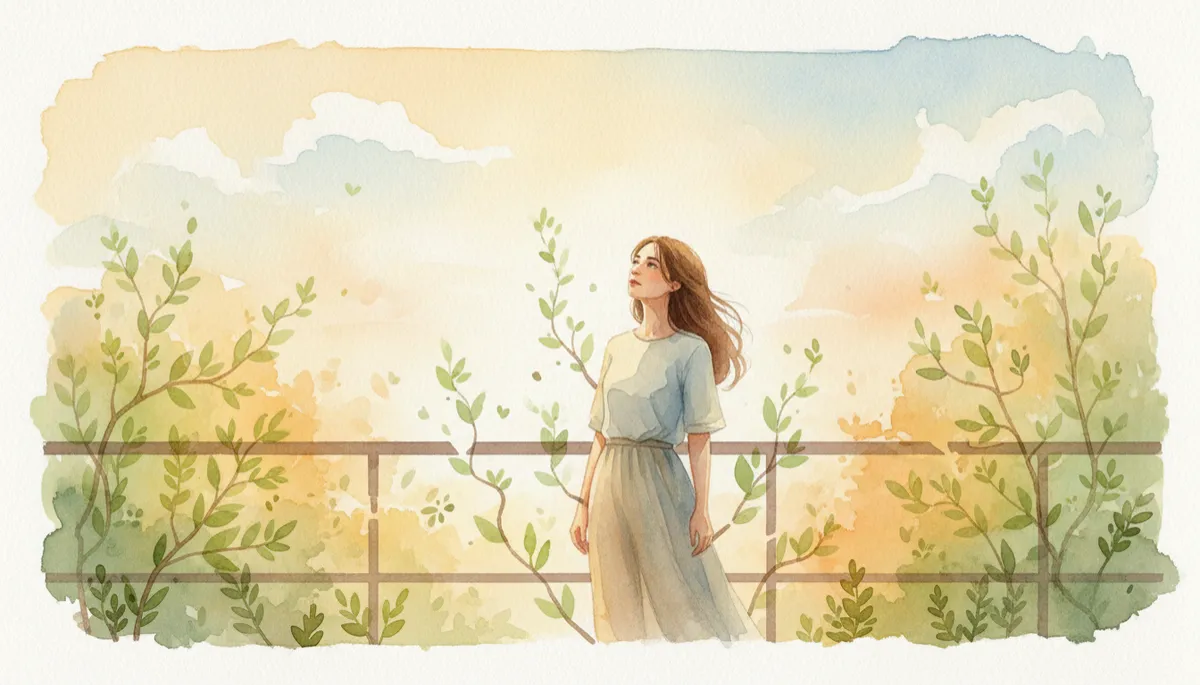
-toned photograph of a person standing in a softly sunlit park or balcony, gentle greenery and...
Your future is not waiting for you to be perfect, only willing to begin.
Overcoming victim mentality is not about pretending it didn’t hurt. It is about refusing to let the hurt be the whole story. Emotional healing is messy, uneven, and often lonely. Some days you will feel strong and hopeful. Other days, the old story will pull at you like gravity. That is normal. It does not mean you are failing. It means you are rebuilding a life from the ground up.
Rebuilding life after heartbreak, divorce, or betrayal looks like small, unglamorous choices: going to therapy, journaling instead of texting your ex, setting boundaries, choosing friends who do not feed your bitterness, allowing yourself to imagine love or joy again. None of this erases what happened. But slowly, it makes what happened part of your story instead of the whole thing.
Your future deserves to be lived by the version of you who chose to heal, not the version who was left behind. You are allowed to outgrow the person you had to become to survive. You are allowed to be more than the worst thing that was ever done to you. And you are allowed, starting now, to take your life back one raw, compassionate step at a time.