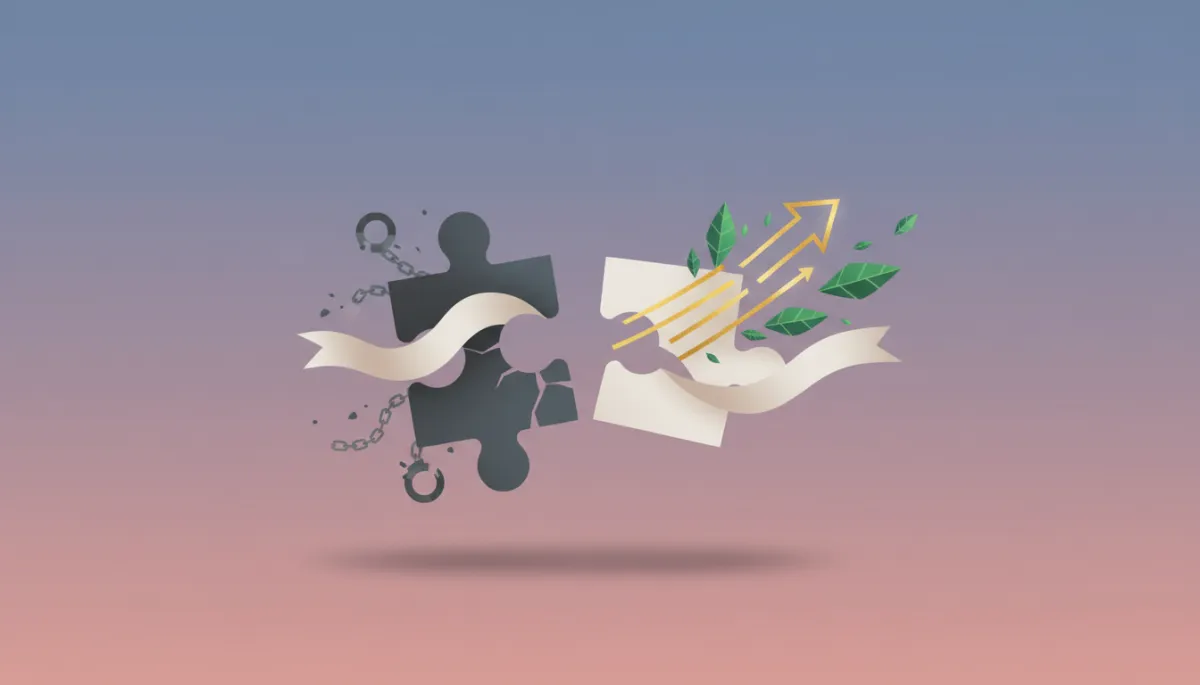
Avoiding Mistakes to Heal After Divorce
Divorce, Emotional Healing
Mistakes That Keep People Stuck After Divorce
Moving on after divorce is rarely simple, but some common missteps can make healing feel almost impossible. Recognizing these patterns is the first step to finally feeling free again.
Holding On To The Story Of Blame
After divorce, many people replay every detail of what happened, searching for a clear villain and a clear victim. Staying attached to a story where one person is entirely wrong and the other is entirely right might feel comforting, but it keeps you emotionally tied to the past. Blame can become a shield that protects you from pain while also preventing you from learning, growing, and trusting again. Healing begins when you shift from asking who is at fault to asking what you can learn about yourself, your needs, and your boundaries for the future.
Avoiding The Grief Process Altogether
Divorce is not just a legal event. It is the loss of a shared future, routines, roles, and identity. A common mistake is trying to skip grief by staying constantly busy, numbing with work, social media, food, alcohol, or casual dating. This delay often shows up later as sudden anger, anxiety, or depression that seems to come from nowhere. Giving yourself permission to grieve, cry, talk, and feel disappointed is not weakness. It is how your mind and body process what happened so you can move forward with clarity instead of carrying unspoken pain into every new chapter.
Clinging To Constant Contact With Your Ex
Some contact is necessary when children or shared responsibilities are involved, but emotional overcontact is different. Checking their social media, sending long messages, or finding reasons to reach out keeps your nervous system on high alert. Each interaction can reopen wounds and delay acceptance. Clear boundaries, such as communicating only about practical matters and limiting online checking, help your brain adjust to the reality that the relationship has changed. Space is not about punishment. It is about creating the conditions you need to heal and rediscover yourself outside the marriage.

Healthy boundaries with technology reduce emotional reactivity and help you regain calm.
Rushing Into A New Relationship To Fill The Void
Feeling lonely after divorce is natural, and the attention of someone new can feel like instant relief. The risk is using a new relationship as a distraction instead of a conscious choice. When you have not yet processed your grief or reflected on what you truly want, you may repeat old patterns with a different person. Taking time to rebuild your sense of self, enjoy your own company, and clarify your values gives you a stronger foundation. From there, you can choose a partner because they genuinely fit your life, not because you are trying to escape being alone.
Ignoring Your Financial Reality And Future
Divorce changes more than emotions. It reshapes your financial landscape. A frequent mistake is avoiding money conversations and paperwork because they feel overwhelming or painful. This can lead to debt, missed opportunities, and lingering resentment. Facing the numbers, even if they are uncomfortable, is an act of self respect. Creating a simple budget, understanding your obligations, and seeking professional guidance when needed allows you to make grounded decisions. Financial clarity supports emotional stability and helps you feel capable instead of powerless in your new life.
Isolating Yourself From Support
Shame, embarrassment, or exhaustion can tempt you to pull away from friends, family, and community. You might feel that no one truly understands, or that you are a burden if you talk about your divorce. Yet isolation often magnifies pain and reinforces the belief that you are alone. Reaching out, even in small ways, can shift everything. A trusted friend, a therapist, a support group, or a faith community can offer perspective, encouragement, and practical help. Accepting support is not a sign that you are failing. It is a sign that you are human and choosing healing instead of silent struggle.
Forgetting To Rebuild Your Identity And Dreams
During marriage, your sense of self often becomes intertwined with shared routines, roles, and plans. After divorce, many people stay stuck by living as if their best years are behind them. They focus on what ended instead of what is still possible. A powerful shift happens when you begin asking gentle, curious questions. What do I enjoy now. What kind of life do I want to create. Which parts of myself did I set aside that I would like to bring back. Exploring new hobbies, friendships, and goals helps you see that your story did not end with divorce. It changed direction, and you have a say in what comes next.
📌 Key Takeaway: Noticing these common mistakes is not about judging yourself. It is about understanding where you feel stuck so you can choose one small, kind step toward healing today.
Moving Forward With Compassion For Yourself
Everyone makes mistakes after divorce because everyone is trying to navigate unfamiliar territory while in pain. What matters is not whether you handled everything perfectly, but whether you are willing to see your patterns with honesty and kindness. When you allow yourself to grieve, set boundaries, face your finances, accept support, and imagine a new future, you gradually loosen the grip of the past. Healing is rarely fast or flawless, but it is absolutely possible. One mindful decision at a time, you can move from feeling stuck to feeling grounded, hopeful, and ready to build a life that truly fits who you are now.