When Pain Becomes Your Identity: Healing & Growth
Mental Health, Emotional Healing, Personal Growth
When Pain Becomes Your Identity
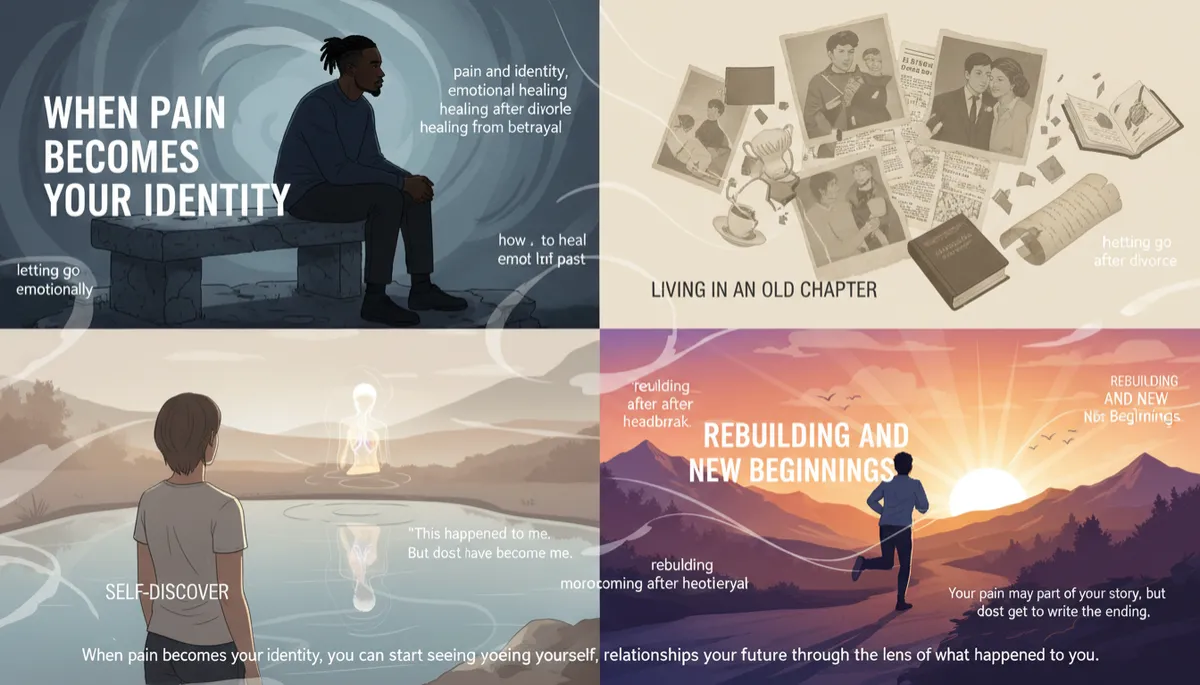
When pain becomes your identity, you can start seeing yourself, relationships and your future through the lens of what happened to you. This article explores how emotional pain can quietly shape who you believe you are and how to gently reclaim your life, hope and sense of self.
When Pain Stops Being an Event and Starts Feeling Like “You”
Emotional pain comes in many forms' betrayal, heartbreak, divorce, loss, rejection. At first, it feels like something that happened to you. Over time, though, that hurt can quietly move from being an experience to becoming a filter you see yourself through. This is where pain and identity begin to blur.
You may catch yourself thinking, “I am the one who was left,” “I am the one who was cheated on,” or “I am the one who always gets hurt.” Without realizing it, your mind starts building a story where the central character is not simply you but your wound. That story can shape how you show up in relationships, how much you trust, and even what you believe you deserve.
"This happened to me. But it does not have to become me."
Living Inside an Old Chapter: How the Past Shapes Your Self-Perception
One of the quietest ways emotional pain influences self-perception is by freezing you in an old chapter of life. You might be years past the breakup, the divorce, or the betrayal, but mentally you still live in that room, replaying the same scene, rehearsing the same questions: “Why wasn’t I enough? How did I not see it coming? What’s wrong with me?”
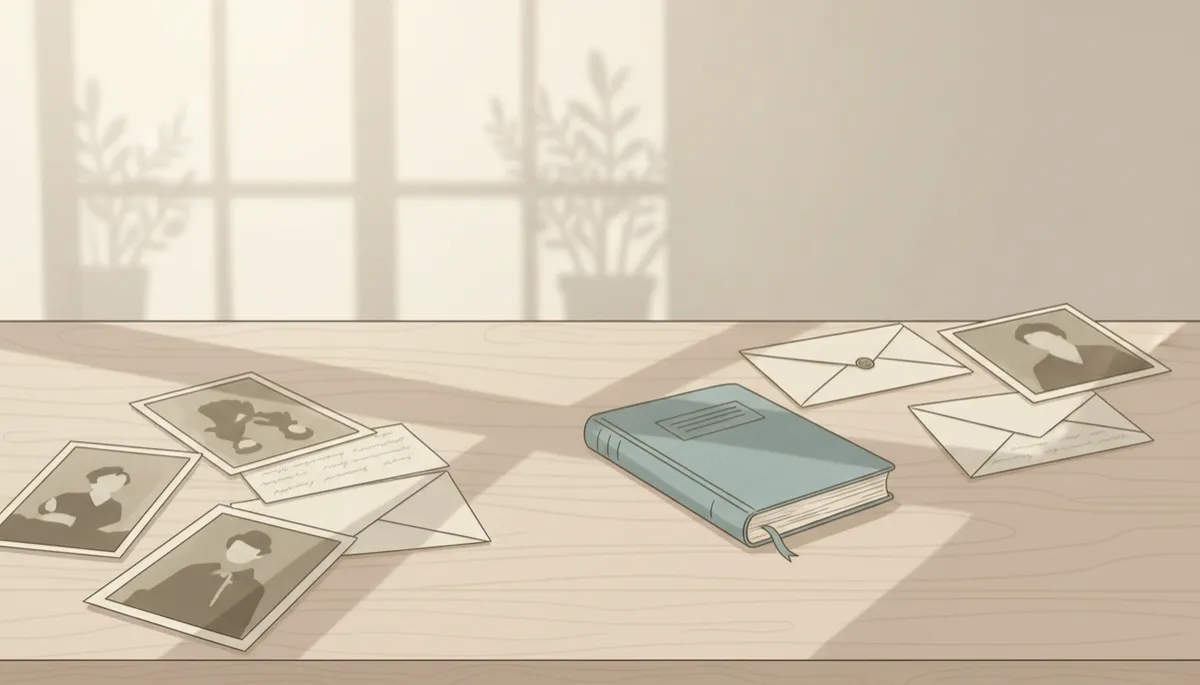
Staying emotionally inside old memories can make yesterday feel more real than today.
After healing after heartbreak or healing after divorce begins, the mind often clings to familiar pain because it feels safer than unfamiliar hope. You might keep revisiting messages, photos, or conversations, not because they help you heal, but because they keep your identity rooted in who you were in that moment. Instead of being a person who went through heartbreak, you start to feel like a person who is heartbreak.
💡 Gentle reminder: Remembering the past is normal. But when every memory tells you that you are broken, it may be time to explore letting go of the past so you can see yourself more clearly.
How Emotional Pain Shapes Your Growth For Better or Worse
Emotional pain doesn’t just hurt; it teaches. The question is what it teaches you. Left unhealed, it can whisper damaging lessons:
“You’re not worthy of real love.”
“Everyone leaves eventually, so don’t get too close.”
“If you were stronger, this wouldn’t have happened.”
These beliefs can limit your personal growth. You may stop taking risks, avoid intimacy, or settle for less than you deserve because your identity has been shaped around survival instead of possibility. This is why overcoming emotional pain is not just about feeling better; it is about reclaiming who you are becoming.
At the same time, when you choose the path of emotional healing, pain can deepen your compassion, your boundaries, and your clarity. You may become more discerning about who you let close, more honest about your needs, and more courageous about walking away from what hurts you. In this way, pain can be a teacher not an identity, but a turning point.
The Mirror Moment: Seeing Yourself Beyond What Happened
There comes a quiet moment in many healing journeys when you realize you are tired of seeing yourself only through what broke you. It might be while getting ready in the morning, catching your reflection and thinking, “I look like I’m still carrying everything.” Or it may surface in therapy, prayer, journaling, or a long walk when you finally whisper, “I want more than this version of me.”
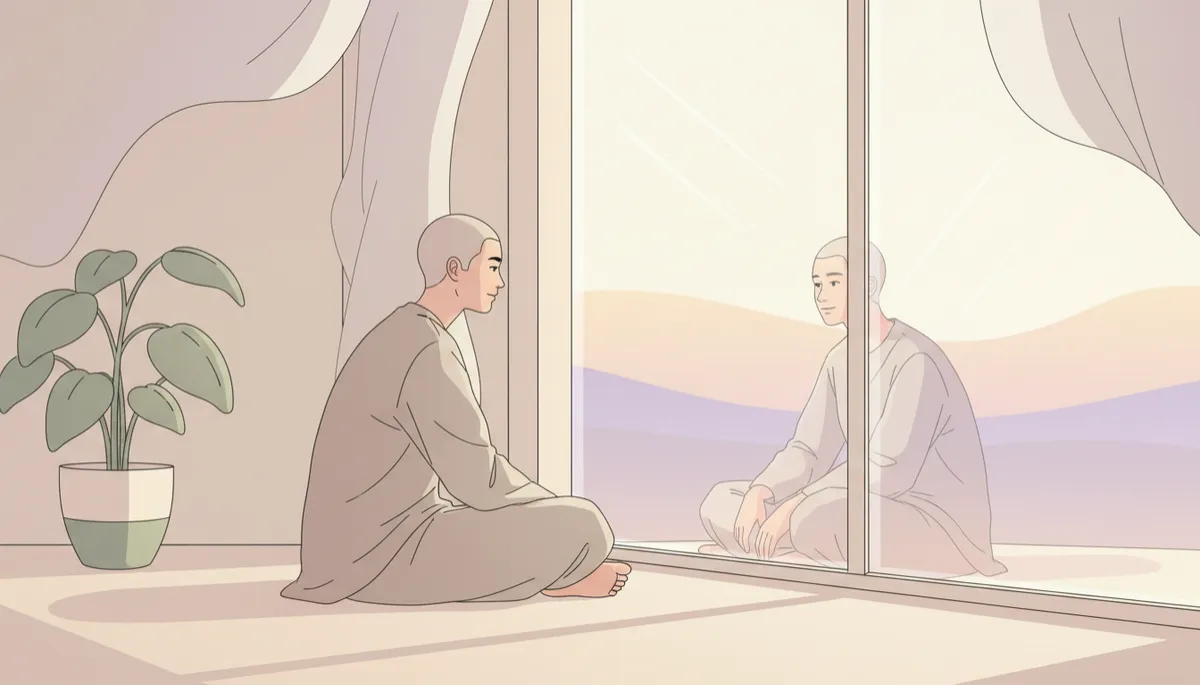
Honest self-reflection is often the doorway to a new, gentler identity.
This is the mirror moment where how to heal emotionally starts with telling yourself the truth: “I am more than what they did. I am more than what I lost.” It is where you begin to separate your worth from your wounds, your identity from your experiences. You can acknowledge the depth of your healing from betrayal or your grief from moving on after heartbreak without letting it define your entire reflection.
"Your pain may be part of your story, but it does not get to write the ending."
Rebuilding After Divorce, Heartbreak, or Betrayal: Small Steps Back to You
Whether you are rebuilding after divorce, moving on after heartbreak, or piecing yourself together after deep betrayal, healing rarely arrives in one dramatic moment. It comes as a series of small, almost ordinary choices that slowly shift your identity away from pain and back toward wholeness.
Choosing to speak to yourself with kindness instead of blame when old memories surface.
Reaching out for support therapy, trusted friends, faith communities rather than isolating with your thoughts.
Creating new routines, hobbies, or spaces that are not tied to the person or season that hurt you.
Allowing yourself to imagine a future that feels different even if you are not sure how to get there yet.
📌 Key Takeaway: Healing is not about pretending the pain never happened. It is about refusing to let it be the only thing that defines who you are or where you are going.
Stepping Into a New Beginning: Letting Hope Shape Your Identity
As you practice emotional healing, something subtle begins to shift. You still remember what happened, but it no longer feels like the only truth about you. You start to recognize your resilience, your capacity to love again, your courage to set boundaries, your ability to rebuild. Slowly, your identity expands from “the one who was hurt” to “the one who is healing, learning, and rising.”

Each small step forward is proof that your story is still being written.
When pain becomes your identity, you can start seeing yourself, relationships and your future through the lens of what happened to you. But when you begin to gently challenge that lens through reflection, support, and intentional choices you allow a fuller picture to emerge. You are not only the hurt; you are also the healing, the wisdom, the boundaries, the softness that survived.
Your past may always be a chapter in your story, but it does not deserve the title page. You are allowed to grow, to love again, to trust yourself again, and to believe in new beginnings. Your identity is bigger than your pain and your future is wider than what tried to break you.